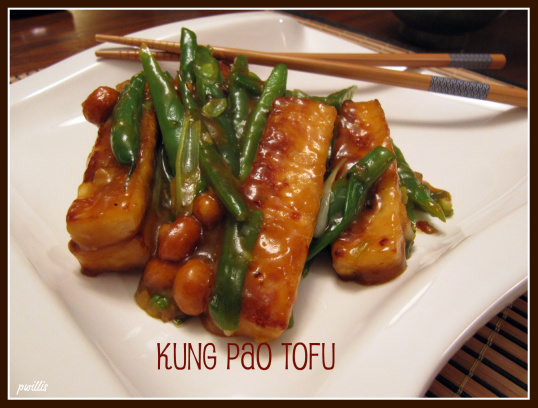
Unlock the Secrets to the Ultimate Meatless Kung Pao Tofu Experience
Craving the vibrant, numbing-spicy, and deeply savory flavors of a classic Sichuan dish, but looking for a plant-based twist? Look no further than kung pao tofu. This iconic dish, traditionally made with chicken, transforms beautifully into a meatless masterpiece, offering all the mouth-tingling, umami-packed adventure you desire right in your own kitchen. Forget bland vegan alternatives; this recipe promises an explosion of taste and texture that rivals, if not surpasses, your favorite takeout.
The beauty of homemade kung pao tofu lies in its simplicity combined with a few clever techniques that elevate it from a simple stir-fry to an unforgettable culinary journey. From perfectly crisp tofu to an aromatic, complex sauce, we'll guide you through crafting a dish that's quick enough for weeknights yet impressive enough for any occasion. Prepare to embark on a Sichuan adventure at home!
The Foundation: Achieving Irresistibly Crispy Tofu
The star of any great kung pao tofu is, of course, the tofu itself. And let's be clear: we're not aiming for soft, crumbly tofu. We're striving for golden, crunchy perfection that stands up to the rich sauce without losing its delightful bite. This is where a couple of crucial steps come into play.
First and foremost, pressing your tofu is non-negotiable. Extra-firm tofu contains a surprising amount of water, which, if not removed, can lead to soggy results and excessive splattering during cooking. Place your block of tofu between paper towels or a clean kitchen towel, weigh it down with something heavy (like a stack of cookbooks or a cast-iron pan), and let it press for at least 10-15 minutes, or even up to an hour for optimal dryness. This not only firms up the tofu's texture but also allows it to absorb the marinade and crisp up beautifully in the pan. For an even deeper dive into achieving that perfect crunch, especially with advanced techniques, you might find our guide on Achieve Crispy Kung Pao Tofu: Vodka Batter & Ma-La Flavor Secrets particularly useful.
Once pressed, cut your tofu into bite-sized cubes. Now comes the magic for superior crispiness: a light, airy batter. A combination of cornstarch and flour creates an excellent coating, but for truly exceptional, long-lasting crispiness, a secret ingredient can be added: vodka. The alcohol in vodka evaporates more rapidly than water during frying, leading to a crisper exterior that holds up even after being tossed in the sauce. Gently coat your tofu pieces in this mixture before pan-frying or shallow-frying them until golden brown and delightfully crunchy on all sides. Don't overcrowd the pan; cook in batches if necessary to maintain consistent oil temperature and ensure even browning.
Crafting the Umami-Packed Ma-La Sauce
The soul of kung pao tofu lies in its distinctive sauce, famous for its "ma-la" flavor profile – a delightful combination of "ma" (numbing) from Sichuan peppercorns and "la" (spicy) from dried red chiles. This unique sensation is what sets authentic Sichuan cuisine apart and makes kung pao tofu so addictive.
The journey to this exquisite sauce begins with infusing your stir-fry oil. Gently heat oil (peanut or a neutral oil like canola) with dried red chiles and a generous amount of whole Sichuan peppercorns. Allow them to sizzle and release their aromatic compounds into the oil; this is where the foundational ma-la flavor is built. Be careful not to burn the chiles, as this can make the oil bitter. Once fragrant, you can remove the chiles and peppercorns if you prefer a less intense heat and numbing sensation, or leave them in for an authentic, fiery experience.
The liquid sauce component is a harmonious blend of savory, tangy, and subtly sweet elements. Key ingredients typically include:
- Soy Sauce: The backbone of umami and saltiness.
- Chinkiang Black Vinegar: A dark, complex Chinese vinegar that adds a crucial tangy depth and slight sweetness, balancing the richness.
- Sugar: Just a touch to round out the flavors and enhance browning.
- Sichuan Fermented Broad Bean Paste (Doubanjiang): This is a game-changer. It provides a savory, spicy, and deeply fermented umami punch that is essential for an authentic Sichuan flavor. Seek it out if you can; a small amount goes a long way.
- Cornstarch: A slurry made with water is added at the end to thicken the sauce, ensuring it beautifully coats every piece of tofu and vegetable without making the dish soupy.
Pro Tip: Since cornstarch tends to settle, always give your prepared sauce one final whisk just before adding it to the hot pan to ensure even distribution and proper thickening.
The Symphony of Textures: Vegetables & Peanuts
Beyond the crispy tofu and flavorful sauce, kung pao tofu shines with its interplay of textures and fresh aromatics. While some versions keep it simple, traditional recipes often incorporate specific vegetables that contribute to the dish's overall complexity and crunch.
- Aromatics: Generous amounts of chopped fresh ginger, garlic, and sliced scallion greens are stir-fried after the ma-la oil infusion, building layers of fresh, pungent flavor.
- Crunchy Vegetables: Thinly sliced leeks and crisp celery pieces are fantastic additions. Their mild flavor and satisfying crunch provide a wonderful contrast to the soft tofu and rich sauce. Some recipes also incorporate long hot green peppers (like Anaheim or similar mild-to-medium heat chiles) for an extra burst of freshness and a subtle kick.
- Peanuts: Roasted peanuts are a quintessential element, providing a delightful textural contrast and a nutty richness that complements the spicy sauce. While tradition dictates frying raw peanuts, using plain roasted peanuts is a convenient and perfectly delicious alternative for home cooks.
The key to perfect vegetables in your kung pao tofu is quick cooking. Restaurants achieve that desired crisp-tender bite by cooking vegetables for only a few minutes over high heat. This ensures they remain vibrant and retain their delightful crunch, offering a fantastic counterpoint to the crispy tofu.
Bringing it All Together: Your Kitchen, Your Sichuan Adventure
With all your components prepared – crispy tofu, flavor-infused oil, ready-to-go sauce, and prepped vegetables – the final assembly of your kung pao tofu is a rapid-fire stir-fry process. This is where efficiency and a hot wok or large skillet are your best friends.
Start by quickly stir-frying your sliced leeks, celery, and peppers until they are lightly blistered but still crunchy. Next, toss in your garlic, ginger, and scallion whites, cooking until fragrant. Reintroduce your crispy tofu and peanuts, then pour in your whisked sauce. Stir rapidly to coat everything evenly. The sauce should thicken almost immediately, clinging to the ingredients rather than forming a pool at the bottom of the pan. The goal for an authentic kung pao tofu is a dish that's dry and deeply concentrated in flavor, with just enough sauce to coat everything beautifully.
This Easy Weeknight Kung Pao Tofu: Simple Ingredients, Takeout Taste article offers more fantastic insights into streamlining this process for busy evenings, proving that authentic flavors don't always demand complex routines.
Serve your magnificent kung pao tofu immediately over steamed white or brown rice, or even with noodles, to soak up every last drop of that incredible sauce. The resulting dish will be a triumph of textures – crisp-on-crisp-on-crisp with the peanuts, celery, and tofu – and a symphony of flavors. The heat won't overwhelm but will slowly smolder, with the numbing Sichuan peppercorns cleverly taming the flames just enough to keep you reaching for more.
Conclusion: Your Ultimate Meatless Kung Pao Awaits
Making meatless kung pao tofu at home is more than just cooking; it's an exploration of bold flavors and satisfying textures. By focusing on truly crispy tofu, mastering the authentic ma-la sauce with its critical ingredients, and incorporating vibrant, crunchy vegetables, you can create a dish that not only satisfies your cravings for takeout but also elevates your plant-based cooking. This umami-packed Sichuan adventure is incredibly rewarding, proving that a meatless meal can be as rich, complex, and exciting as any traditional favorite. So gather your ingredients, fire up your wok, and prepare to delight your senses with this fantastic homemade culinary creation!
