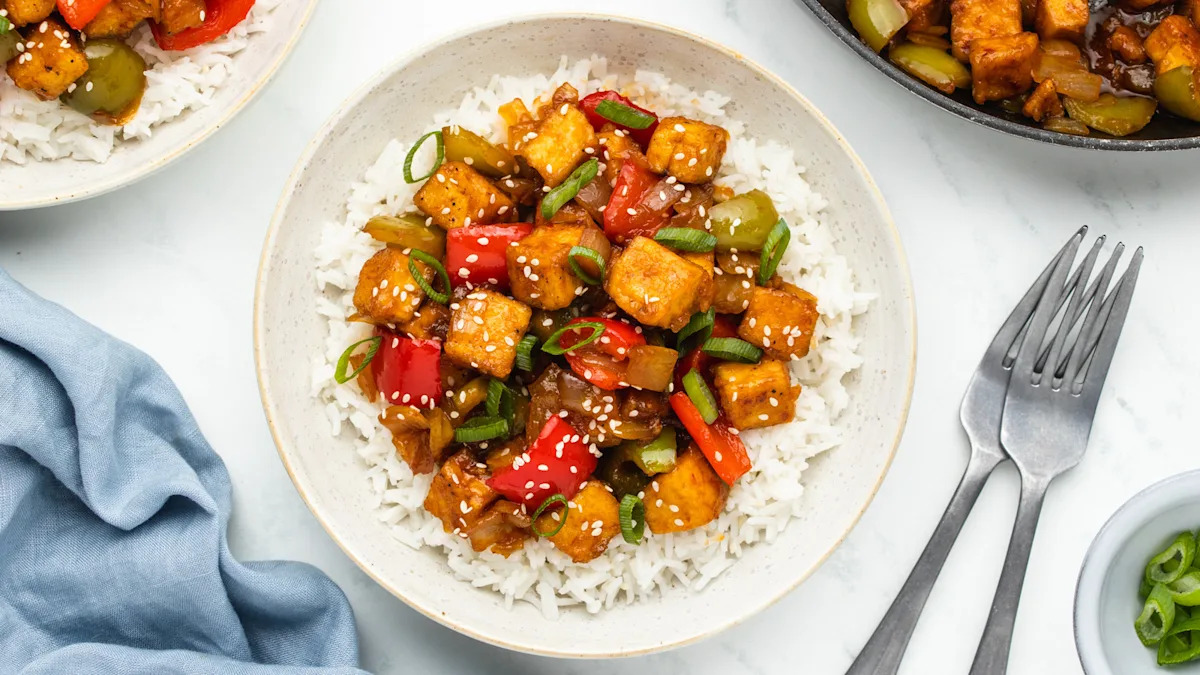
Achieve Crispy Kung Pao Tofu: Vodka Batter & Ma-La Flavor Secrets
For many, the allure of Kung Pao Tofu lies in its complex symphony of flavors – a tantalizing dance between spicy, sweet, savory, and tangy, all brought together with a signature mouth-tingling sensation. Yet, the quest to replicate that elusive restaurant-quality crispiness at home often ends in frustration, leaving us with soggy tofu that pales in comparison to our takeout dreams. This article dives deep into the secrets that elevate homemade
kung pao tofu from good to extraordinary, focusing on two game-changing techniques: the innovative vodka batter for unparalleled crispness and the authentic ma-la flavor profile that defines true Sichuan cuisine. Get ready to transform your kitchen into a temple of texture and taste, crafting a dish that rivals, if not surpasses, your favorite takeout.
The Quest for Unrivaled Crispy Tofu: Unlocking the Vodka Batter Secret
The foundation of truly exceptional
crispy kung pao tofu begins long before the wok even heats up. The first, non-negotiable step is *pressing your tofu*. Tofu, especially extra-firm, is a sponge for water. Removing this excess moisture is critical for achieving a firm texture that won't steam in the pan and will absorb flavors better. Pressing for at least 10-15 minutes, or even longer for superior results, can be done with a dedicated tofu press or simply by wrapping the block in paper towels and weighing it down with heavy objects. This not only aids crispiness but also minimizes splattering during frying.
Once pressed, the real magic happens with the *vodka batter*. While a simple cornstarch coating provides some crunch, a revolutionary technique involving a combination of cornstarch and flour, bound with vodka, takes crispiness to an entirely new level. The science behind it is fascinating: alcohol, specifically vodka, evaporates much more rapidly than water when heated. This accelerated evaporation during frying creates more air pockets within the batter, resulting in an exceptionally light, crisp coating that *stays crispy* even after being tossed in sauce.
Here’s how to master the vodka batter for your
kung pao tofu:
- Prepare the Tofu: Cut your pressed extra-firm tofu into bite-sized cubes.
- Create the Batter: Whisk together cornstarch and all-purpose flour in a roughly 1:1 ratio. Slowly add cold vodka (chilled is best) until you achieve a thin, pancake-like consistency – it should lightly coat the tofu without being too thick. A splash of water can be added if it's too thick, but prioritize the vodka.
- Coat and Fry: Toss the tofu cubes gently in the batter until evenly coated. Fry them in hot oil (around 350-375°F or 175-190°C) until golden brown and gloriously crispy. Work in batches to avoid overcrowding the pan and dropping the oil temperature, which can lead to soggy results.
This method, inspired by techniques for Korean-fried dishes, ensures your tofu remains wonderfully crunchy throughout the entire dining experience, providing that satisfying textural contrast crucial to authentic
kung pao tofu.
Mastering Ma-La: The Heart of Authentic Kung Pao Flavor
Beyond crispiness, what truly defines a memorable
kung pao tofu is its distinctive flavor profile, particularly the "ma-la" sensation characteristic of Sichuan cuisine. Ma-la translates to "numbing and spicy," a unique combination achieved through the careful balance of two key ingredients: Sichuan peppercorns and dried red chiles.
To unlock this profound flavor, you must *infuse your stir-fry oil* at the very beginning of the cooking process. Gently heating Sichuan peppercorns and dried red chiles in oil extracts their aromatic compounds, creating a potent, fragrant base for your dish. The Sichuan peppercorns deliver a citrusy, floral note followed by a signature tingling or numbing sensation on the tongue, while the dried red chiles provide a clean, fiery heat. Together, they create a complex, addictive heat that doesn't just burn but also tantalizes.
Further deepening the umami and creating an authentic foundation is the addition of *Sichuan fermented broad bean paste* (doubanjiang). This savory, spicy paste is a cornerstone of Sichuan cooking, offering a rich, earthy depth that can't be replicated by simple soy sauce or chili oil. Don't skip it if you can find it; it's a game-changer for homemade
kung pao tofu. Alongside these, fresh aromatics like chopped garlic, ginger, and scallion greens are stir-fried, adding layers of pungent freshness.
While these ingredients might seem specialized, many Asian grocery stores now carry them, and their impact on the final dish is immeasurable. However, for those seeking a more accessible version without hard-to-find ingredients, an
Easy Weeknight Kung Pao Tofu: Simple Ingredients, Takeout Taste can still deliver fantastic results by focusing on readily available pantry staples to capture the essence of the flavor profile.
Building the Perfect Kung Pao Sauce: Sweet, Savory, and Tangy Harmony
The sauce for
kung pao tofu is where sweet, savory, and tangy elements converge into a cohesive, flavorful glaze. The ideal sauce is light yet deeply concentrated in flavor, designed to barely coat the ingredients rather than drowning them. This ensures every bite offers an intense burst of taste, complementing the crispy tofu and crunchy vegetables.
A classic
kung pao tofu sauce typically includes:
- Soy Sauce: The backbone of savory flavor.
- Chinkiang Black Vinegar: A dark, complex vinegar that provides essential tanginess and depth, distinct from regular rice vinegar.
- Sugar: Balances the heat and acidity, adding a touch of sweetness.
- Cornstarch Slurry: A small amount of cornstarch mixed with water helps thicken the sauce just enough to cling to the ingredients. Remember to give your sauce mixture a good whisk right before adding it to the wok, as cornstarch can settle at the bottom.
The key here is balance. Taste your sauce as you mix it, adjusting the sugar or vinegar to your personal preference. Some recipes might also include a dash of sesame oil for an extra layer of nutty aroma, or even a tiny amount of Shaoxing wine for complexity. The goal is a vibrant sauce that enhances, not overwhelms, the other components of your
homemade kung pao tofu.
A Symphony of Textures: Vegetables, Peanuts, and the Finishing Touch
Beyond the star crispy tofu and the potent ma-la sauce, the success of
kung pao tofu lies in its delightful textural contrasts. This dish is designed to be "crisp-on-crisp-on-crisp," with every element contributing to a satisfying mouthfeel.
Vegetables play a crucial role, not just for nutrition but for their crunch. Traditional additions often include celery and long hot green peppers (like Anaheim or Hungarian wax peppers), sliced into chunks. The secret to retaining their crispness, much like restaurant takeout, is to *cook them for only a few minutes* until they are lightly blistered but still retain a vibrant, firm bite. Overcooked vegetables become soft and diminish the overall experience. Sliced leeks are also a fantastic addition, offering a mild oniony flavor and tender-crisp texture.
Peanuts are non-negotiable in
kung pao tofu. While tradition might call for frying raw peanuts, using plain, unsalted roasted peanuts is a convenient and perfectly delicious alternative. They add a nutty crunch that is absolutely essential to the dish's character. Tossing them in at the very end ensures they remain crisp and don't become soggy.
The final dish should be concentrated in flavor, with just enough sauce to barely coat the ingredients. This isn't a soupy stir-fry; it's a masterpiece of dry, deeply flavored components. The numbing sensation from the Sichuan peppercorns, the slow-smoldering heat from the chiles, the satisfying crunch of peanuts and crisp vegetables, all harmonizing with the perfectly tender-crisp vodka-battered tofu – it's an experience that keeps you coming back for more. For those specifically looking for a plant-based take on this classic, exploring a
Meatless Kung Pao Tofu: Umami-Packed Sichuan Adventure at Home offers even more insights into maximizing flavor without meat.
In conclusion, achieving truly exceptional
kung pao tofu at home is within your reach. By understanding and implementing the secrets of the vodka batter for unparalleled crispiness, mastering the ma-la flavor base with Sichuan peppercorns and fermented broad bean paste, and carefully balancing your sauce and maintaining vegetable crunch, you can recreate this takeout favorite with stunning results. Embrace these techniques, and prepare to impress your taste buds with a dish that is a true adventure in texture and flavor.